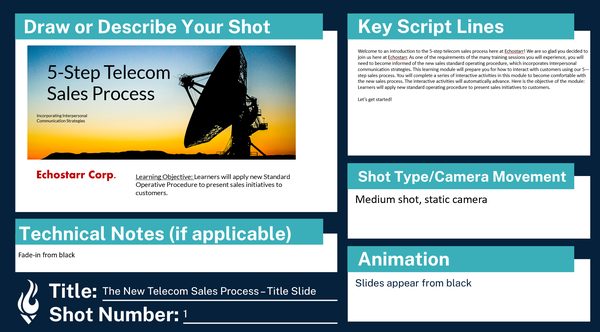
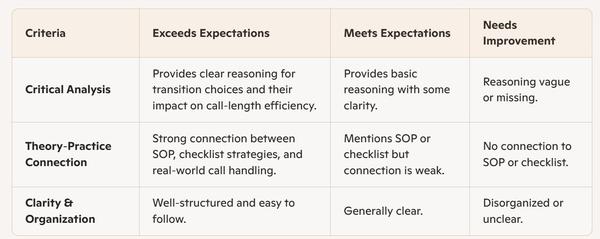
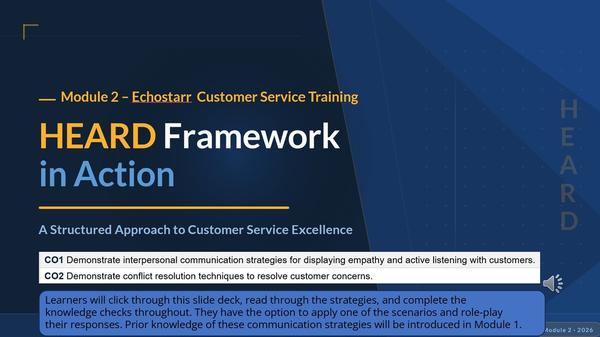
The following video shows a customer service training module for an interpersonal communications course that can be redeveloped and branded to a specific brand. It was developed using MS PowerPoint, Vyond, Genially, Synthesia, ElevenLabs, Camtasia, Audiate, and Loom and then developed into a SCORM course on the LearnWorlds LMS platform. I followed the ADDIE design framework and utilized Robert Gagné’s Nine Events of Instruction as well as Kirkpatrick's Evaluation Model and Kolb's Experiential Learning Cycle. The course underwent three rounds of usability testing, UDL reviews, and every effort was made to ensure learner accessibility. I incorporated AI for multimedia generation and used CoPilot and Claude as an image-generation partner. The module features infographics, interactive activities with scenarios, self-reflection activities, a discussion board with peer feedback, a gamification quiz with badges, training videos with captions, slide decks, small group instruction, facilitator-led authentic assessments, surveys, and two simulations with realistic scenarios. The module also includes rubrics for grading and a certificate of completion.
Here's a live link to preview the course: https://echostarrcommunication...